Home Design-Build Orlando International Airport Automated People Mover Replacement Project

Orlando International Airport Automated People Mover Replacement Project

When the existing Automated People Mover system at Orlando International Airport reached the end of its design life, the Greater Orlando Aviation Authority (GOAA) faced replacing essential passenger transit infrastructure without disrupting one of the nation’s top-ten busiest airports. GOAA selected Superior Construction to partner with Mitsubishi Heavy Industries America (MHIA) on the project. Together, the team is carrying out the complex replacement of the APM system connecting the main terminal to Gates A2 and B4.

Project Highlights
  • Construction during active airport operations
  • Removal and replacement of existing APM running surface
  • Station modifications to accommodate new MHIA vehicle technology
  • Superior’s first design-build-operate-maintain (DBOM) contract
Client
Greater Orlando Aviation Authority (GOAA)
Location
Orlando, Florida
Work Performed

Removal of existing concrete running surface and associated systems; installation of new concrete running surface with wider specifications to accommodate MHIA vehicles; station modifications and platform construction; maintenance of traffic within active airport operations

Project Schedule
2025-2027
Industry
Delivery Methods
Design-Build

The Work

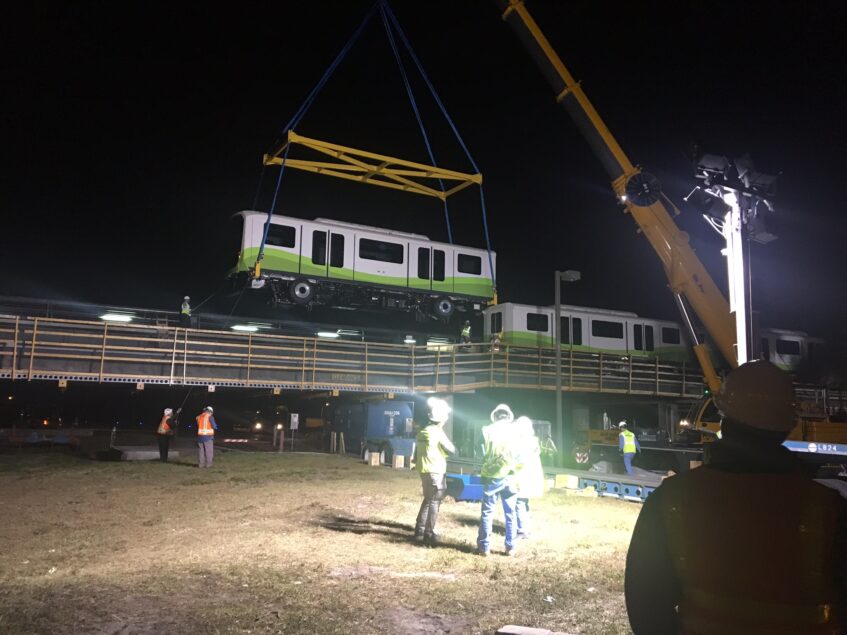
Superior, as civil contractor, is partnering with prime contractor MHIA to modernize Orlando International Airport’s critical passenger transit infrastructure. The project builds upon GOAA’s successful first phase, completed in 2017, when MHIA’s system replaced the existing Bombardier technology on one section of the airport.

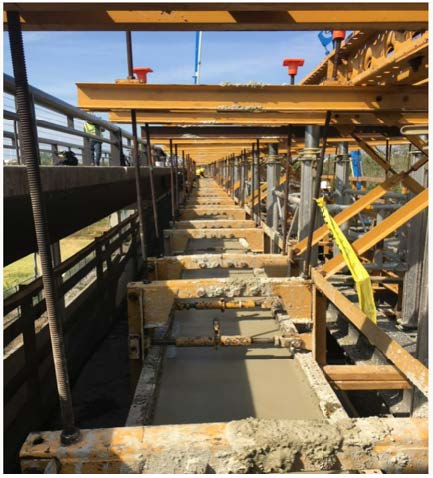
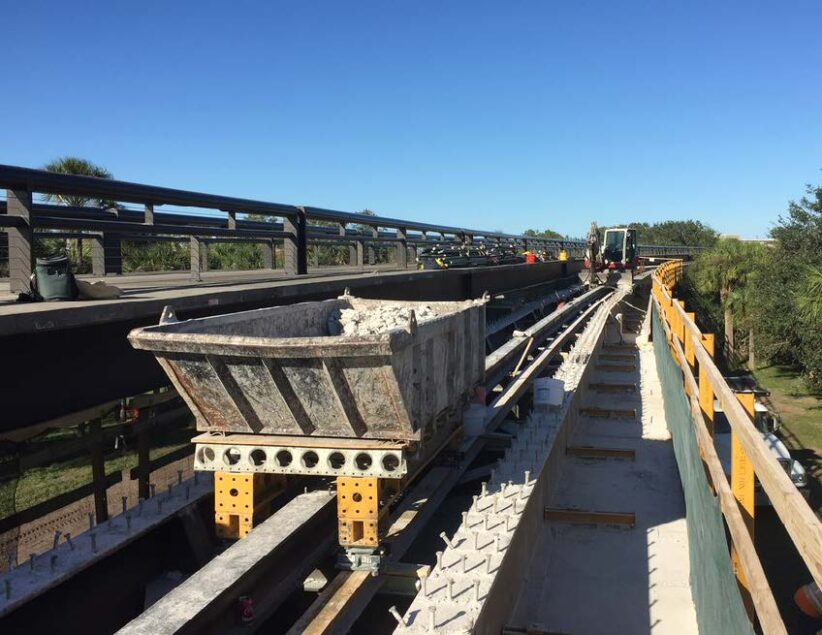
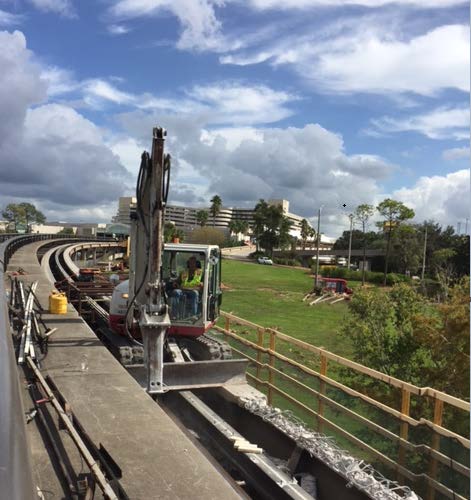
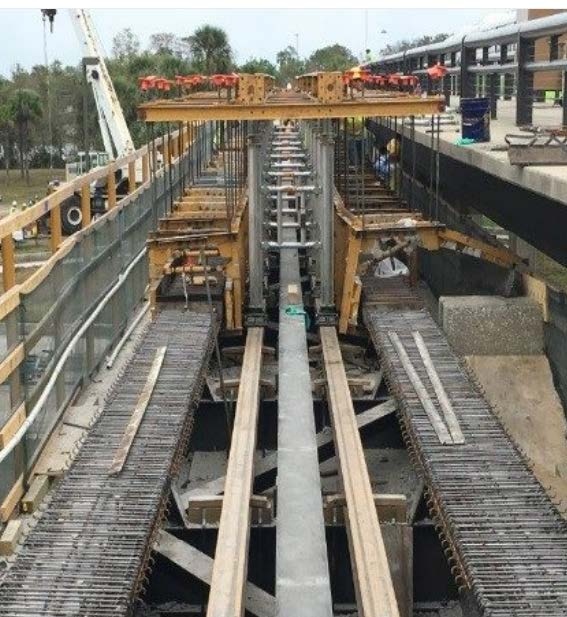
Crews are demolishing the existing concrete running surface, then installing a new guideway system engineered to accommodate MHIA’s advanced APM vehicles. The new running surface is wider to support the different wheel base requirements of the MHIA technology.

Superior’s scope includes constructing temporary platforms to maintain airport operations during construction, managing complex maintenance of traffic within the active terminal environment, and executing precise station modifications to integrate seamlessly with the new APM technology. The project requires meticulous coordination to ensure the airport can continue serving more than 56 million annual passengers while this essential passenger transportation link is rebuilt.